How Tattoos Work: The Art and Science Behind Body Ink
Tattoos have been a part of human culture for thousands of years, symbolizing everything from tribal affiliation to personal milestones. I know and have worked with many tattoo enthusiasts, but I wonder how many of you actually know ... how exactly do tattoos work?
Here’s a look into the fascinating process of how tattoos are applied and what happens to the ink once it’s under your skin (the human body is so crazy.)
The Science of Tattoo Ink
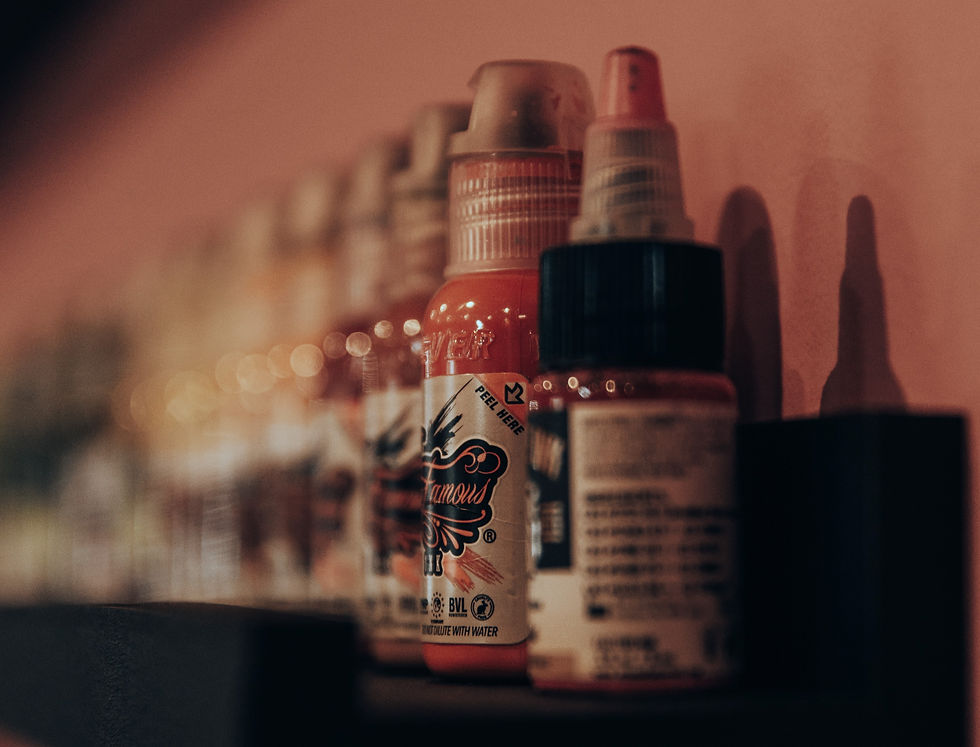
Tattoo ink is composed of pigments and a carrier solution. Pigments can be made from a variety of substances, including heavy metals, organic compounds, and even plant-based materials. The carrier solution helps to keep the pigment evenly mixed and can include ingredients like water, glycerin, and alcohol.
How Tattoos Are Permanent
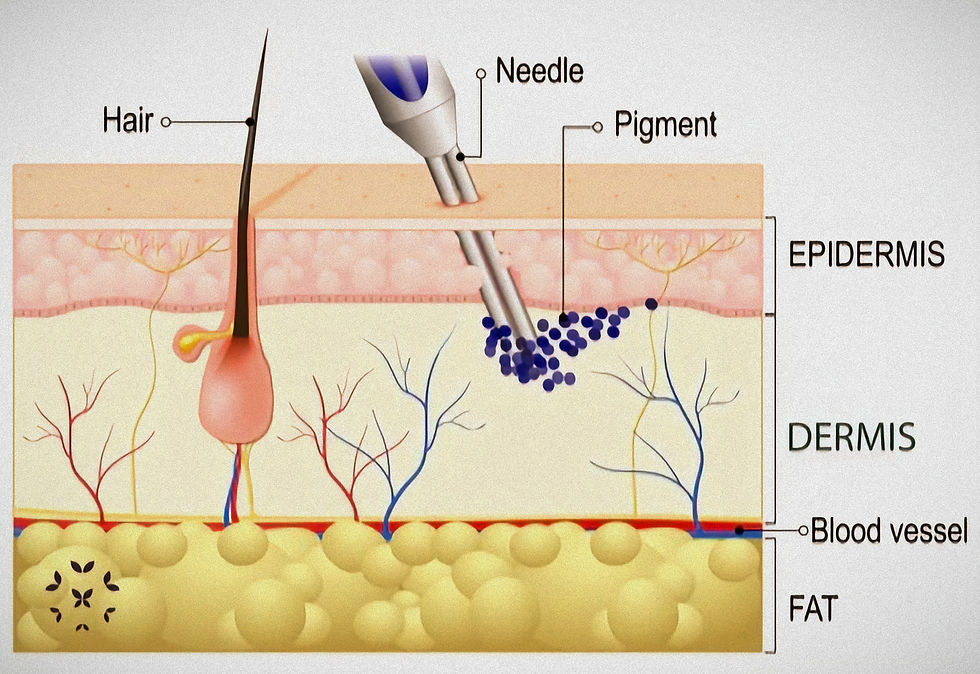
The permanence of a tattoo comes from the skin's natural healing process. Here’s how it works:
Ink in the Dermis:
When the ink is deposited into the dermis, it becomes trapped within the skin cells. The epidermis, the outer layer of the skin, constantly regenerates, but the dermis does not, which is why the ink remains in place.
Immune Response:
The body treats the ink particles as foreign objects. Macrophages, a type of white blood cell, engulf these particles in an attempt to remove them. However, many of these macrophages remain in the dermis with the ink particles, effectively keeping the ink in place.
Ink Stability:
Over time, some ink may be broken down or carried away by the immune system, causing tattoos to fade. This is why tattoos can blur or lose vibrancy over the years. The stability is also very heavily affected by sunlight, which is essentially radiation hitting the ink particles and causing them to move, change and break-down (please wear sun cream.)
Understanding how tattoos work highlights the complexity and artistry behind this ancient practice. From the precision of the needlework to the body’s biological response, getting a tattoo is a blend of art and science. As tattoo technology and techniques continue to evolve, the possibilities for self-expression through tattoos are limitless.
Sources
Healthline - How Tattoos Work
Scientific American - The Science Behind Tattooing
National Center for Biotechnology Information - The Science of Tattoos
Tattoo.com - The Tattoo Process
Comments